Cracked pane, a sash that won't stay up, a screen hanging on by one corner.
Most window repair calls I get start with a Worcester triple-decker sash that hasn't budged since the Bruins last had a parade, painted shut by three landlords in a row. We work on old wood, vinyl and aluminum units all over the city and out through Auburn, Millbury and Leicester, from Burncoat down to Tatnuck, doing window and glass repair on houses where replacing everything would be silly.
One thing I refuse to do: glaze a fresh pane into a rail that's gone soft and punky. The putty lets go by the second season and you're calling me again about the same opening. We cut the rot out and splice in sound wood first, then glaze.
Below you'll find how the work actually goes, what shifts the number, and what people ask before booking. Reach me on (508) 406-9528, weekdays nine to five, and I'll come put eyes on it.
Window Screen Repair
Window screen repair is the small job everybody puts off until the first warm night with the sashes up and half the mosquitoes on the street in the living room. Most of what comes to us is torn or bulging mesh in a thin aluminum frame, and the cure is a proper rescreen: pull the old spline, square the frame, lay fresh mesh, roll new spline of the right diameter into the groove.
Too skinny and it works its way loose by August. Roll it slack and you get waves; roll it drum tight and the frame bows so it won't sit in the track of a three-decker double hung.
Screen repair cost rides on how many you hand me, the mesh you choose, plain fiberglass, pet-resistant, or solar mesh that knocks the heat down, and whether a bent frame needs rebuilding instead of restringing. Screens are a good chunk of what Worcester Window Replacement does once the weather turns.
Mobile Window Screen Repair
Mobile window screen repair means the van comes to your driveway and your frames never leave the property. I pop them out, cut the old spline free, and roll fresh mesh in right there: standard 18 by 16 fiberglass for most houses, tighter no-see-um mesh if you sit out back near water, heavier pet mesh if a cat treats the slider like a scratching post. Cracked corner keys get replaced, not glued back together.
Rolled wrong, the mesh either pulls the frame inward out of square or ripples like a flag the first warm week, and undersized spline lets a panel pop loose the moment a kid leans on it. Most window repair shops want you hauling frames across town; a traveling window screen repair service saves that trip when six panels need doing at once.
Panel count, frame size, mesh type and whether a bent frame needs rebuilding are what set the window screen repair cost.
Window Glass Repair
Most home window glass repair I do is a sealed unit swap, not a whole new window. The glass fogs because the seal between the panes let go, and once that happens no amount of Windex touches it. I pull the sash, take the unit out, measure the glass and the spacer thickness, then order it with the same low-e coating so one opening isn't sitting there a different shade than its neighbors.
Sealed units are the bulk of the window and glass repair I get called for on the triple-deckers around here.
Price rides on the unit size, double versus triple glazing, whether the opening needs tempered glass, and how high up the wall it lives.
Done badly, the beads get forced over a unit that's out of square and it cracks in the first hard freeze. I bed it flat and let the sealant cure before the sash goes back.
Broken Window Glass Repair
Broken window glass repair starts with measuring the opening rather than the old glass, because a pane cut tight to the frame binds and cracks again on the first cold morning. On a single lite in a wood sash, I pull the shards, clean the rabbet back to bare wood, bed the new glass, set fresh points and tool the putty so it can be painted once it skins over.
A blown sealed unit is a different job: the whole insulated pane gets ordered to size, and anything within reach of a door or tub goes in tempered.
Size, tempered or laminated glass, second-floor access and how long the hole has been open to the weather all push the number around on home window glass repair.
The mess nobody expects is glass in the mulch and under the radiator. That comes with the window and glass repair, not extra.
Window Repair Shops
Most window repair shops around here run on drop-off. You pull the sash yourself, wrap it in a moving blanket, drive it across town, and come back when somebody calls. Fine, if the sash comes out clean. In a 1920s three-decker with forty years of paint on the stops, it often doesn't, and now you've got a hole in your wall and a squirrel with plans.
So we bring the bench to you. Rebalancing a double-hung, replacing a chewed-up parting bead, restretching a window repair screen, most of that gets done on site. When a sash genuinely has to leave, we board the opening before the truck moves and bring it back rehung and locking.
Unit count, how cleanly the sash frees up, and whether the frame is still square are what change the cost.
Repairing Wood Windows
Repairing wood windows is mostly patience, a heat gun and a steady hand. On the triple-deckers around here the sash itself is usually sound, and what's failed is the glazing putty and the bottom rail. Putty dries, cracks, falls out in chips, then rain sits in the rabbet until the wood goes soft as a sponge.
I cut the rot back to solid wood, soak the edges with consolidant, fill with two-part epoxy and shape it after it cures overnight. Loose joints get pinned and glued, never caulked. Then fresh bedding putty, glazing points, and paint lapped a hair onto the glass so water runs off instead of in.
Price moves with how many sashes, how deep the rot goes, whether the cords and weights need rehanging, and lead paint containment. It's the slowest window repair I do.
Window Repair Emergency
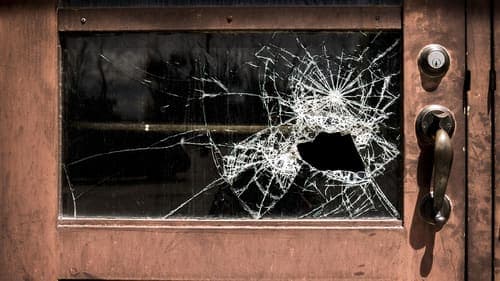
A window repair emergency is glass on the floor and February air pouring through the hole, and that is a separate animal from... no. Let me say it plain: it is a different job from a sash that sticks, and it gets handled in a different order. Storm branch, a stray ball, a break-in on the way home from work.
First thing I do is clear the loose shards out of the glazing channel, get the sill and the floor under it swept, and close the opening with plywood or clear polycarbonate screwed into the frame so the room stays dry and the heat stays in. What I refuse to do is staple a trash bag over the gap and call it secure, because wind finds the edge by morning and you are back where you started.
Then we measure for the permanent fix. How many openings, whether the frame took damage with the glass, and whether the pane needs safety glass ordered in are what set the size of that second visit.
Repair Window Pane
Repairing a pane is the smallest window repair I do and the one people put off longest. On an older sash the glass sits in a rabbet, bedded in compound so it never touches bare wood, held with glazing points, then faced off with putty. Run a bead of silicone in there instead and you get a pane that rattles in the wind and holds water against the wood underneath.
Cut the glass tight to the opening and it cracks the first humid stretch, when the sash swells.
So I cut every pane a hair under, prime the rabbet before putty goes near it, and let the putty skin over a week or two before anyone paints it.
Price follows the number of panes in the sash, the glass type, and whether the sash comes out to the bench or gets glazed in place three floors up on a triple-decker.
What the job involves
Most of the window repair I do starts with pulling the sash out of the frame, because nobody does careful work overhead on a ladder. On a triple-decker with stops painted in six times over, that means scoring the paint first and easing the stops off whole so they go back where they came from.
To repair window pane glass in an older sash, the old putty and glazing points come out, the rabbet gets scraped to bare wood and primed, then the new glass beds into compound and gets back-puttied. Skip that priming step and the putty dries out and cracks inside a season. Repairing wood windows also takes in the balances or sash cords, the parting bead and the weatherstrip. A single sash runs about two hours.
Glass size, insulated versus single pane, and how high up the sash sits all pull the price around.
What it costs
What it costs comes down to what's broken, and a window repair on one cracked pane in an aluminum storm is nowhere near the same job as rebuilding a rotted sash. Size of the glass moves it. So does whether the unit is insulated, tempered or laminated, and whether it sits on a second story where I need a ladder and a second set of hands.
Repairing wood windows runs higher because of the hours in it: stripping paint, cutting out the punky wood, epoxy, glazing compound that has to cure before anyone touches it with a brush. A window screen repair cost sits at the small end, spline and new mesh. Call me at (508) 406-9528 with the measurements and what happened and I can usually narrow it right on the phone.
A window repair emergency gets boarded first and glazed after, so figure two trips.
When window repair is the wrong fix
Sometimes window repair is the wrong fix, and I would rather tell you that on the spot than take the work. If a blade sinks into the sill like it's frosting, the glass isn't your problem, the frame is, and what you want is a full replacement unit. Same story with rotted bay windows where water has been getting behind the siding for years, or casement windows whose sash has sagged until the hinge stile is soft.
Patch those and you buy one comfortable season, then the caulk splits and you're paying for the job twice. And if a shot run of gutters is dumping water over the head trim every time it rains, no glass work on earth saves that window. Adding storm doors won't quiet a sash that leaks air, either. It just hides the draft one layer further out.
Why choose us for this
You have a window that sticks, fogs or leaks, and what you want out of a window repair is to hire it once and stop thinking about it. Not supervise it. Not hear about a second problem on invoice day.
So the number I give you standing in your kitchen is the number. If I pull the sash and find the sill gone soft underneath, you hear about it that day, before I have spent a dollar of yours. Rot, ladder access and the size of the opening are what change the work.
Repairing wood windows properly means cutting the bad wood out and letting new in. What I will not do is trowel putty over a punky rail so it looks square for one summer. Some window repair shops quote lower because they caulk around the glass instead of reglazing the sash, and you are back at that repair window pane next year.
Looking costs you nothing, and you can sit on the estimate as long as you like.
Frequently asked questions
Should I repair the window or replace the whole thing?
Repair makes sense when the frame is straight and the trouble is the glass, the balances or the hardware. I can repair window pane damage in a sash that is otherwise sound without disturbing your interior trim or the siding outside. Once the sill is soft enough to dent with a thumbnail, patching it is money you will spend twice.
Will taking the glass out wreck my paint and trim?
Rarely. The stops come off with a thin putty knife, get marked, and go back where they started. The one real risk is old glazing putty on a Worcester three decker, which lets go in chunks and can lift paint with it, so I score the line first and work the sash flat on a bench.
What makes one repair cost more than another?
Glass type does most of the work: plain annealed, tempered, laminated, or a sealed insulated unit with a low-E coating. After that it is access, whether the sash lifts out or has to be fixed in place, and how many openings you want done in one visit.
Contact Worcester Window Replacement now
Call now about window repair in Worcester and tell me which opening it is and what it's actually doing: sticking, fogged, whistling, or dropping shut on its own. That one sentence decides whether I show up with sash hardware and glazing tools or with a ladder long enough for the third floor of a triple decker.
I would rather stand in front of the window than guess from a photo, because the number of openings, whether the sash comes out or the frame stays put, how far the wood has gone soft, and how I reach it all change how the job goes.
The number is (508) 406-9528, weekdays through the working day, nine to five, and a message left there gets a call back. If the opening will not wait until the week is out, we come out on a weekend.