Nobody wakes up excited about Worcester window replacement. Then the wind comes off Wachusett, your curtains wave at you with the sash shut, and suddenly it's the only thing you can think about.
We're locally owned and this is the whole job for us: double hungs, casements, bays, egress units in the basement, plus front doors, storm doors and screen doors when the old ones start sticking. Worcester Window Replacement works on three-deckers, single-family homes and storefronts, one broken unit or a whole house.
Here's what we promise on conduct:
- We arrive when we said we would
- No pitch at your kitchen table
- We explain the work without talking down to you
- Old sash, wrappers and trim scraps leave in our truck
Size, floor height, access and whatever rot is hiding under the trim all move the price. Our goal is simple: done right, on schedule, priced fairly.
Read on for the work itself, the towns we cover and the usual questions, then ring (508) 406-9528 and I'll come measure.
What happens when you call
When you call, I come out and measure the openings myself, tape in hand, no sales pitch riding shotgun. I check the sills for soft wood, look at how the old trim was flashed, and ask what that room actually does to you in a Worcester winter. Then we talk through it: full frame or insert, grids or clear glass, french doors versus a solid slab, front entry doors with glass if that's the project.
What moves the price is how many openings, how big they are, and what shows up once the old unit comes out. Adding storm doors? I measure those the same trip.
Storm Doors
Screen torn, latch won't catch, and the door slams itself shut every time the wind kicks up.
Storm doors take the beating so your entry door doesn't, and the first thing to go is usually the closer or the screen. A storm and screen door hung on rotted brick mold will sag no matter how good the door is, so I put a screwdriver into that wood before I order anything, the same check I do before setting bay windows. We hang Larson units, full-view glass, and models with a retractable screen door built into the panel.
Width, glass weight, hardware, and whether the frame needs rebuilding are what move the price. Most are done in two to three hours.
Bay Windows
The seat board dips. Trim opening at the corners, and the drapes move on a still day.
Bay windows carry their own weight plus whatever ends up on that seat, so when the nose drops it's the support that let go, not the glass. We rebuild it properly: cable supports or knee braces tied into real framing, an insulated head and seat instead of a hollow box, and the little roof above it flashed into the wall so water runs out rather than down the sheathing.
What moves the price is the width of the box, whether the flankers are casements or double hungs, how much rot turns up once the old unit is out, and staging if it's a second story. If exterior doors need attention while we're set up, we'll handle those too.
Exterior Doors
Daylight under the door. The deadbolt only catches if you put a shoulder into it.
Exterior doors go crooked because the sill rots underneath them, and shimming a rotted sill just moves the gap somewhere else. Front door replacement means taking the unit out to the studs, checking the subfloor, and setting a new sill pan before the slab ever hangs. We fit steel, fiberglass and Therma doors, french doors out to a deck, and front entry doors with glass when you want the hallway brighter.
Width, sidelights, and how long that backyard door has been wicking water into the framing are what move the price. Most get done the same week as a window replacement. Call me at (508) 406-9528.
Window Replacement
Frost on the inside of the glass in a room that's shut up tight.
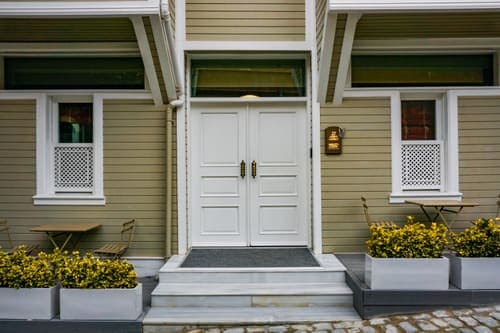
Window replacement usually starts with something small like that: a draft you can feel from the couch, or condensation between the panes. That fog means the seal is gone and the glass has stopped doing its job. Leave it and the wet works into the sash and the sill, and then you're paying me for carpentry as well as a window.
What moves the price is the count of openings, the size, whether the frames underneath are still sound, and how easy the second floor is to reach. Six matching double hung windows go faster than one odd shape.
Double Hung Windows
The top sash creeps down on its own. Cold air running along the sill.
Double hung windows usually give up at the balances first, and once a sash won't stay put you're propping it with a paint stirrer like your grandmother did. Fogged glass means the seal is gone. The wood sill under a leaky one softens long before anybody notices. We measure the opening, pull the old sash, and set the new unit plumb so both sashes tilt in and latch the way they should.
What moves the price is the size of the opening, how many you're doing, second and third floor access, and whether a bedroom unit also has to satisfy the sizing rules for egress windows.
Egress Windows
A basement bedroom with one small slider, and no way out but the stairs.
We cut egress windows into finished basements, and it's honest work: saw cutting the foundation wall, framing the opening, then digging outside and setting the well with a ladder and a drain tied into the footing drain. Skip that drain and you've built a bathtub outside a bedroom, and the first heavy rain fills it.
What moves the price here is whether the wall is poured concrete or block, how deep the cut has to go, and whether we can get a machine down the side of the house or it's buckets and a wheelbarrow. A walkout basement can meet the same need with patio doors. Most can't.
Patio Doors
The slider takes two hands and a hip check. Cold air runs across the kitchen floor.
Most patio doors give up at the track first. The rollers flatten, grit packs the sill, and the panel drags until nobody uses the backyard door anymore. Leave it and water stands at the threshold and works into the subfloor, so a door swap turns into framing repair. Width moves the price, so does going from a slider to french doors that swing, and so does whatever we find once the old unit is out.
A retractable screen door or a sliding glass dog door panel changes it too. Same crew that does our window installation hangs the doors. Ring me at (508) 406-9528 and we'll walk it.
Window Installation
Frost on the inside of the glass, and the curtain moves with the window shut.
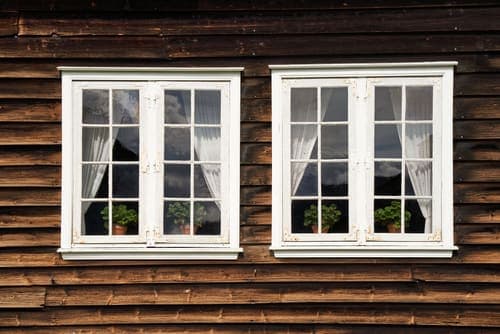
Window installation is the half of the job nobody sees. Shimming the unit plumb, flashing the sill so water runs back out, sealing the gap so the wall quits breathing. Get that part wrong and a brand new sash still whistles at you during a cold snap.
Rot in the sill framing is what we turn up most, right under the trim, and that's carpentry before any glass goes in. Opening size, second-floor access, and whether your sizes are stock or a custom order move the price more than the label on the sash. Plenty of homes here land on vinyl windows, and those only perform as well as the opening we set them in.
Vinyl Windows
Frost on the inside of the glass, and the sash rattles when a plow goes past.
Vinyl windows are what most of my Worcester neighbors land on, and that frost is the old unit telling you it quit a few years back. Leave it and the heat keeps walking out, the sill under the trim goes soft, and a window job turns into a carpentry job.
What moves the price here is the count, the size of the openings, whether I can set an insert into a sound frame or have to take it back to the framing, and whether you want grids or a low-E coating. If you've been nursing along storm windows over tired sash, that's your answer.
Storm Windows
Panels rattling in the track. One stuck half open since last fall.
That rattle means the felt and the track seals are shot, so the storm is just decoration hanging in front of your sash. On old wood windows that outer panel is what keeps rain off the glazing putty and the paint. Lose it and the bottom rail goes soft, and then you're buying the whole window instead of a storm.
What moves the price here is the number of openings, triple-track with a screen panel versus low-profile interior storms, odd or arched sizes that have to be built to measure, and ladder work on a third floor. Steel-framed basement windows almost always need a fitted panel rather than stock.
Basement Windows
Rusty steel frame, glass fogged over, a puddle under the well after every rain.
Basement windows sit in concrete or block, so we fit them to the masonry instead of nailing a fin to studs. We measure the rough opening, set a vinyl hopper or slider, then pack and seal the perimeter so the wall stops wicking water toward your rim joist. Leave a rotted wood buck in place and the damage climbs into the sill plate, and now you're paying a carpenter, not a window guy.
Size, whether we're pulling out wood, steel or glass block, and how tight the well is all move the price. Oversized openings get custom ordered, same as picture windows upstairs.
Picture Windows
Fog between the panes. The view's gone milky and no amount of glass cleaner touches it.
A picture window that fogs has lost its seal, so the gas that made it insulate is long gone and you're heating a bare sheet of glass. That haze isn't something window repair can fix; the sealed unit itself gets swapped. What moves the price here is size and weight, whether the opening sits over a stairwell where we need two sets of hands, and whether the sill underneath has gone soft.
If a backyard door shares that same wall, we handle both in one trip. Ring me at (508) 406-9528 and I'll come look at the opening.
Window Repair
Fog between the panes. A sash that drops shut on your fingers.
Window repair is often all you actually need, and I'll say so when that's the case. Fogged glass means the seal let go and the argon walked out, but the frame can still be sound, so we order a new insulated unit and set it into the sash you already own. Broken balances, old sash cords, and worn cranks and operators on casement windows are usually a bench-level fix.
What moves the price is the glass size, whether the hardware is still made, second-floor access off a ladder, and whether the bottom rail has gone soft with rot.
Casement Windows
You crank and crank and the sash barely moves. Cold air along the latch side.
Casement windows live or die on their hardware. The glass outlasts the crank operator and the hinge track every time, and once a sash sags even slightly the compression seal quits compressing, so you feel that draft over the kitchen counter or by the backyard door. Leave it and the sill soaks, especially under gutters that overflow every time it rains hard, and then I'm replacing wood framing instead of a window.
What moves the price here: size, whether the opening has to meet egress, second story access, and how much rot turns up once the old frame is out.
Gutters
Water sheeting over the front edge in a storm. Dark stains running down the boards below.
Gutters that overflow usually aren't clogged at all, they're pitched wrong or still hanging on spikes that let go a few winters back. We run seamless aluminum in five inch K-style, cut on site, hung on hidden hangers so the weight of ice at the eave has something real to hold. Leave it and that overflow soaks the fascia, rots the trim tucked behind your siding, and drops water at the foundation where the basement feels it first.
Roof footage, story height, inside corners, and whether we're working over a porch roof by your front doors are what move the price.
Siding
Panels rattling in the wind. Gray streaks running down the wall under the windows.
Siding has two jobs, shedding rain off the sheathing and keeping your heat where you paid to put it, so when panels cup or let go at the seams, water gets behind them and stays there. Leave it a couple of seasons and you're paying for carpentry, not siding. We pull the old panels, look at what's under them, and re-flash and retrim every window and door opening, storm doors and screen doors included.
If a front door replacement is on your list anyway, doing it with the wall open saves paying twice for the same trim. Price rides on wall area, stories, access and how much rot turns up. Give me a call at (508) 406-9528 and I'll walk the walls with you.
Residential and commercial window replacement in Worcester
I work for homeowners, landlords, property managers, condo associations, business owners and the general contractors who need a window crew that turns up the day it said it would.
What each of you wants from me is different. You want the dog kept inside, the beds not buried in dust, and the house buttoned up before dark. A property manager wants a schedule they can post in the lobby and units back in service before tenants get home from work. A shop owner wants us starting early enough that the front door still opens on time.
That runs from a single rotted bathroom sash in a triple-decker to forty-odd openings in a mill conversion, phased floor by floor.
Nothing gets sold off a menu. I measure on site, look at parking, stairs and what hours we can make noise, and the schedule follows from that.
Why Worcester homeowners and businesses choose us
Worcester homeowners and businesses choose us because the same crew shows up for both, a two-family on the hill one day and a storefront the next. We're licensed, bonded and insured, and I'll show you the certificate if you ask for it. My installers hang windows, front doors and storm doors all week, plus screen door replacement, so they aren't learning on your house.
The estimate is free and priced off measurements taken at your place, not guessed over the phone, and it doesn't move afterward. Size, count, and the shape the old frames are in decide the number. If something isn't sitting right later, we come back and make it right.
Areas we serve
The areas we serve start right here in Worcester and run out about half an hour in most directions. Where we're working most weeks:
- Main South
- Greendale
- Burncoat
- Tatnuck
- Newton Square
- Webster Square
- Quinsigamond Village
- Green Island
- Union Hill
- Crown Hill
- Columbus Park
- Indian Lake
- Holden
- Paxton
- Leicester
- Millbury
- West Boylston
- Northborough
- Westborough
- Sutton
- Oxford
- Spencer
- Rutland
- Clinton
The housing stock changes what we bring. On the triple-deckers off Main South, the openings have settled and nothing is plumb, so a front door replacement there is shimming and packing to a jamb that gave up years ago. Out in Holden, Paxton and Rutland it's more eighties colonials, where the failing part is usually a tired slider or a screen door replacement nobody got around to.
One limit worth saying out loud: a single storm and screen door swap in Spencer or Sutton waits until we've got another job headed that way. Inside the city we're more flexible. Access moves the schedule more than size does, since third-floor rear windows off a ladder in a driveway you can barely turn a truck around in take most of a day.
Frequently asked questions
Can my old windows be repaired, or do they all have to be replaced?
Plenty can be repaired. If the frame and sill are solid and the trouble is a broken balance, a snapped sash cord, tired hardware or one cracked pane, that is a repair, and it costs less than opening the wall up. Replacement is the call when the sash won't sit square on the sill, the wood goes soft under a screwdriver tip, or the glass has fogged. Fogging means the seal between the panes let go, and a sealed unit can't be reopened and fixed.
Will you wreck my interior trim and plaster?
Not on a pocket insert. The stops and sashes come out, the new unit slides into the existing frame, and your casing, stool and apron stay put. Full frame work is another matter: if the sill has rotted, that opening gets stripped to the rough framing. On an older three decker the plaster is brittle, so we score the paint line before anything comes loose and put back what has to come off.
What does replacing my windows cost?
Size sets the floor, then the glass package, then how the opening is built. Ten standard openings on a first floor is straightforward work. One arched unit on a third floor over a narrow side yard where staging is a puzzle is not. Rot in the sills, lead safe handling on a house built before 1978, and custom shapes all add hours. I measure everything and price it off the actual openings, not a sheet.
Do you offer a warranty or guarantee for your work?
Yes, on the units and on my labor. I'd sooner walk you through the details in your kitchen at the estimate than post terms nobody reads. The real point is that a warranty is a backstop, not a plan. Shimmed square, insulated, flashed and sealed the first time, and you never call me about that window again. That is what actually saves you money.
Do you do doors too, or only windows?
Doors too. Front door replacement is a big share of our spring, including front entry doors with glass when a dark hallway needs light, and we hang Therma doors along with steel and fiberglass slabs. Also the backyard door nobody thinks about until it swells shut in a humid stretch, plus french doors onto a deck.
What's the difference between a storm door and a screen door?
A storm door takes interchangeable glass and screen panels; screen doors are screen only. Most people here end up with a storm and screen door combination, glass in by the first hard cold snap, screen back in when you want the breeze. We install Larson storm door models, handle screen door replacement and rescreening, and fit a retractable screen door on sliders. The magnetic screen door from the hardware aisle is a curtain. It gets you one summer.
Can windows go in during the winter?
Yes, one opening at a time. We don't strip a whole wall and leave you sitting there in your coat, so the house is open at a single hole for the length of that install. Below about twenty degrees foam and sealant stop behaving, so tubes ride warm in the truck cab and we check the label temperature before laying a bead. In driving snow or real brutal cold, we move the day.
Contact Worcester Window Replacement now
One call gets this moving. Ring me at (508) 406-9528, and if you catch us up a ladder, leave a message and you'll get a call back. We work weekdays, nine to five, and when a sash is broken open and the weather is coming into a kid's bedroom, somebody will swing by on a Saturday.
When we come out, I measure every opening myself, top, middle and bottom. Houses around here have settled, most openings are no longer square, and a window ordered off one lazy measurement ends up shimmed into a gap it was never built for. That's the unit that sticks in humid weather and whistles come the cold.
We hold a current license, we're bonded and insured, and the certificate is yours if you ask for it. Tell me which windows are bothering you and we'll go from there.
See a few of our projects